Weight-loss jab users run the risk of losing more than just weight, according to a new study.
Researchers have linked GLP-1 weight loss drugs, such as Mounjaro and Wegovy, with an increased risk of hair loss.
The Times reports the new study examined data from a huge number of people.
The information from 50,000 people was looked at, and the researchers found that taking GLP-1 drugs are linked to an increased risk of developing alopecia, compared to other diabetes medications.
The patients were taking the GLP-1 medication to treat Type 2 diabetes, rather than intentionally for weight loss.
The shocking figures show there is a 37 per cent to 68 per cent higher risk for people taking GLP-1 drugs.
According to the new report, regulatory bodies including the UK’s MHRA and the FDA in the US have both received ‘hundreds’ of reports relating to hair loss after taking these medications.
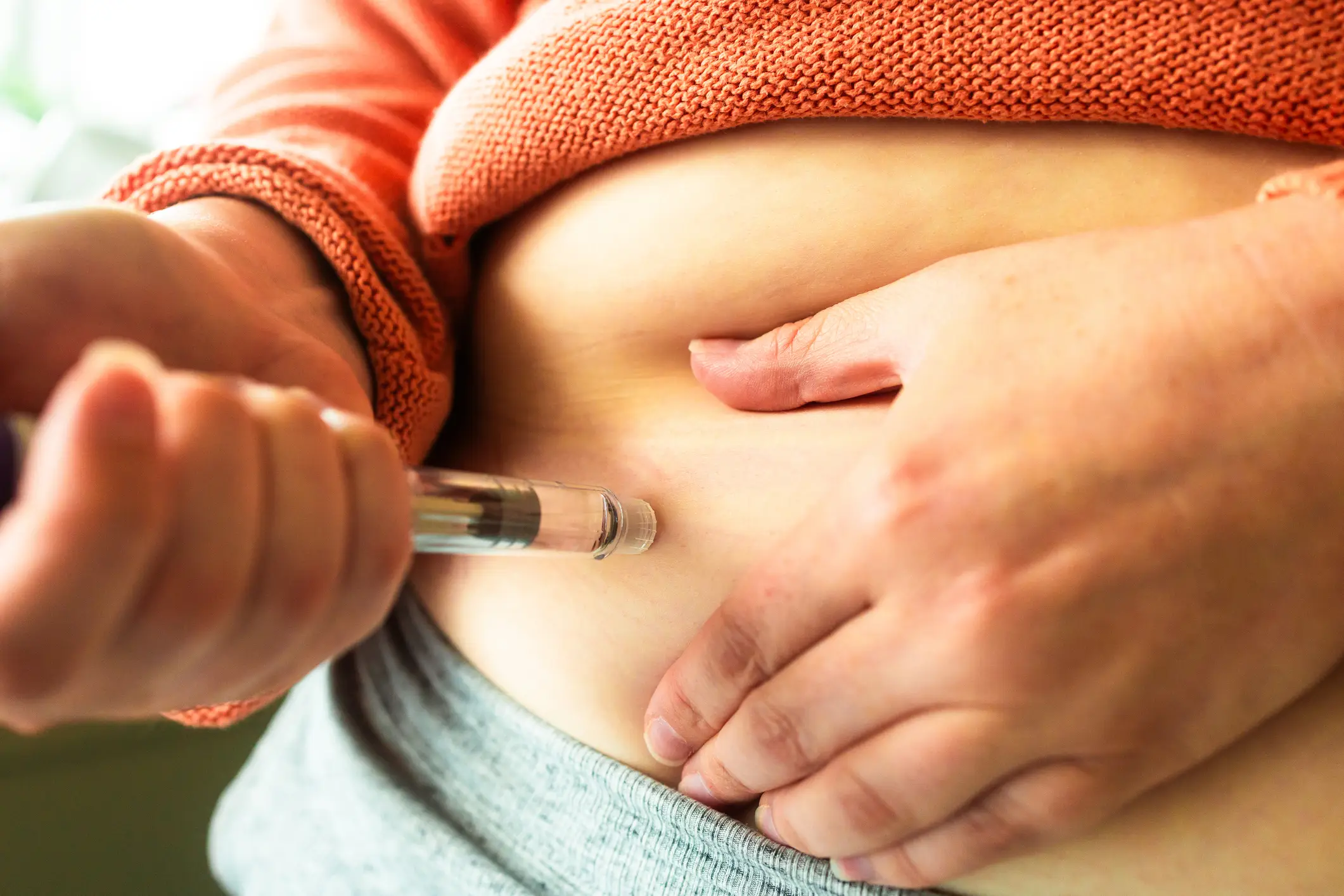
The research found patients taking GLP-1 jabs have a higher risk of developing alopecia (Getty Stock)
The research was published in the British Medical Journal, and found that the hair loss most commonly presents as non-scarring alopecia.
This type of alopecia means that the hair follicles usually remain intact, and there’s a chance it might regrow, unlike the scarring types.
The researchers reported that the rapid weight loss many people experience on the jabs could be to blame, along with the reduced calorie intake.
That’s in addition to any associated physiological stress, or could be put down to nutrient deficiencies if users aren’t getting enough essential micronutrients due to the reduced calorie intake.
Many jab users have shared their concerns on social media, with many posting recommendations for products they use or take with the idea of preventing hair loss.
The researchers acknowledged that extreme or rapid weight loss is known to trigger hair shedding.
The authors of the study acknowledged that the risk of hair loss associated with GLP-1 treatment was ‘small’, but stressed it should be ‘taken into account when making treatment decisions.’
They said: “Use of GLP-1 receptor agonists was associated with a higher incidence of clinically recorded hair loss, particularly non-scarring alopecia, in patients with type 2 diabetes” when compared with two other types of diabetes medication.

Many users were found to be suffering from hair loss (Getty Stock)
A representative for Novo Nordisk said: “At Novo Nordisk we care deeply about patient safety. Like all medicines, treatments used for chronic conditions can have side effects, and these can vary from person to person. That is why medicines should be prescribed by, and used under the supervision of, a healthcare professional, who can consider the potential benefits and risks for each individual.”
“Ozempic (semaglutide injection) is not licenced for the treatment of weight loss. No evidence of hair loss exists for Ozempic in the clinical trials for Type-2 diabetes.
“In clinical trials for Wegovy(semaglutide injection) hair loss was noticed and is included in the SmPC as a side effect. Most of the events of hair loss in Wegovy-treated adult patients were resolved or were resolving on continued treatment.
“Hair loss was reported in 3 percent of Wegovy-treated adult patients vs 1 percent of placebo-treated adult patients. None of the events of alopecia were serious, and most of the events were mild in severity.
“More than half of the events of alopecia were assessed by the investigator as unlikely to be related to trial products.”
And a rep for Eli Lilly said: “Patient safety is Lilly’s top priority. We take any reports regarding patient safety extremely seriously and actively monitor, evaluate, and report safety information for all our medicines.
“The Mounjaro (tirzepatide) Patient Information Leaflet warns that hair loss is a common side effect in patients treated with Mounjaro for weight management.
“We encourage patients to consult their doctor or other healthcare professional regarding any side effects they may be experiencing and to ensure that they are getting genuine Lilly medicine.”
Weight loss drugs can actually cost users more than the money they pay for them
Experts have weighed in on the hidden costs you may not think about that are associated with weight loss drugs
It’s no secret that weight loss drugs have been soaring in popularity in recent years.
More and more people around the world are trying the likes of Mounjaro, Wegovy or Ozempic in an effort to shed the pounds, although it’s important to note that the latter is only approved for treating type 2 diabetes.
The GLP-1 medicine, which comes in the form of a weekly injection, works by making users feel fuller for longer and therefore less hungry.
Woman recovering from cyclosporiasis shares horrible symptoms she experienced after being hospitalised
However, unless you’ve been prescribed the drug by the NHS, they can come with a highly costly price tag for those choosing to go private.
One Mounjaro user recently told Tyla how he’s been forking out a whopping £275 a month for a weekly 7.5mg dose of the medication.
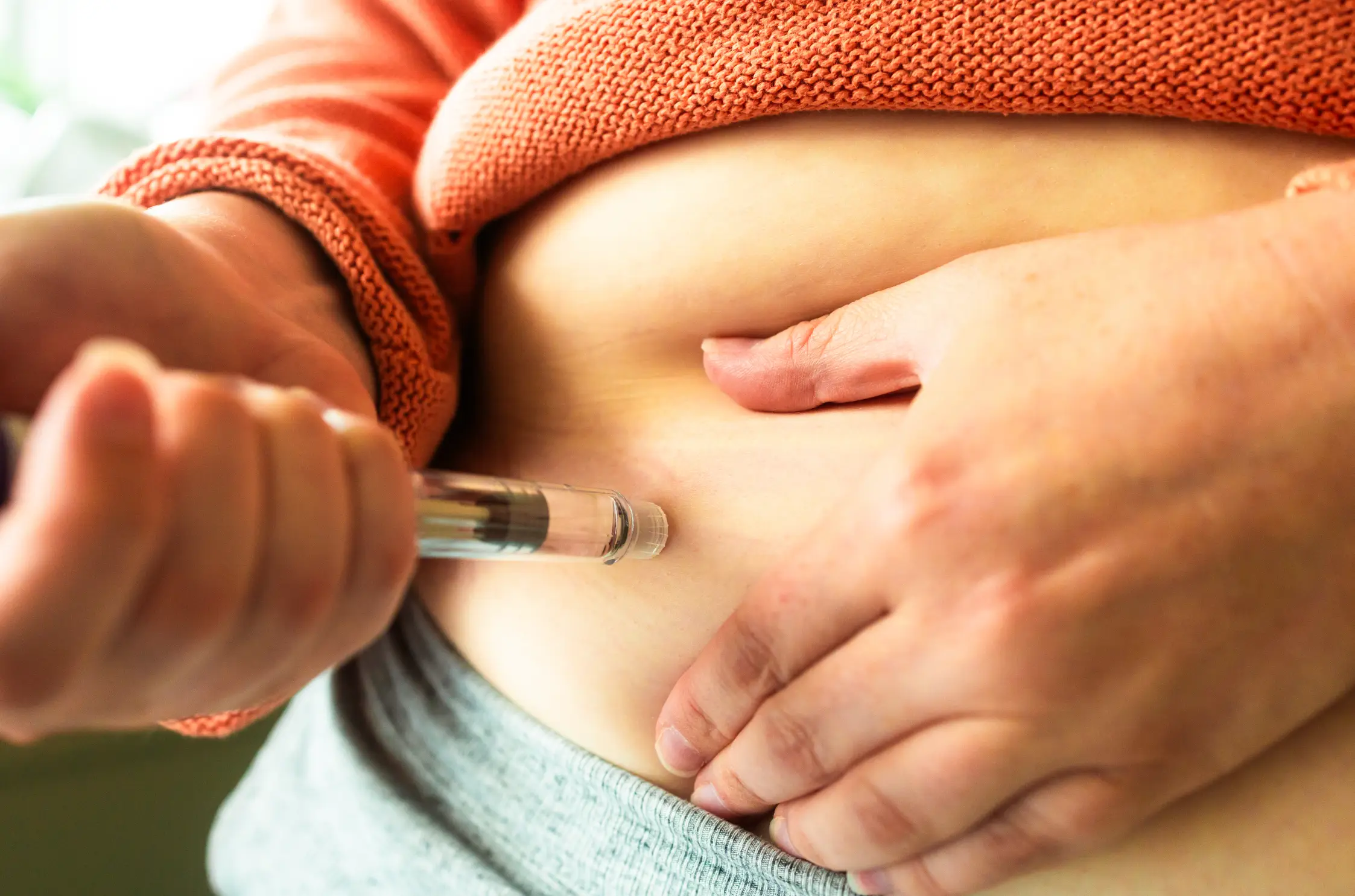
If you haven’t been prescribed a weight loss drug, acquiring them can be costly (Getty Stock Image)
And it turns out that the literal price for the drug isn’t the only way users might be parting with their cash.
Experts have outlined how people taking semaglutide may spend money on medications to manage their side effects, new clothing that fits, as well as fitness equipment and other additional expenses.
Dr Christopher McGowan, a gastroenterologist, obesity medicine specialist, and the founder of True You Weight Loss, told Healthline: “For most patients, the benefits of the medication will likely outweigh most of these concerns, but it’s vital that patients understand the costs that could accumulate during treatment.”
He explained: “Some patients may have severe gastrointestinal symptoms that necessitate emergency room visits, clinic appointments, and the need for IV hydration. Missed work due to side effects may result in financial impact.”
A recent Annals of Internal Medicine study reported that nearly 25,000 ER visits in the US between 2022 and 2023 were linked to GLP-1 medications.
Now, according to Mira Health, an ER visit in the US averages a whopping $2,715 (£2,038) in 2025 and without insurance, this number can exceed this, while with insurance, out-of-pocket costs are typically between $400 (£300) to $650 (£488).
Meanwhile, Dr Katherine H. Saunders, an obesity expert, co-founder of Intellihealth and clinical assistant professor of Medicine at Weill Cornell Medicine, also gave her verdict on the situation.

You may fork out on a gym membership, new clothes that fit you better, as well as more expensive healthy foods (Getty Stock Image)
She told Healthline: “They also spend money on fitness equipment and gym memberships because cardio and strength training are critical strategies to preserve muscle mass and maintain weight loss long-term.”
The expert added: “Our patients definitely spend money on new clothing as they lose weight. One inch on the waist is roughly equivalent to eight pounds of lost weight.”
Of course, these are all circumstantial and not everyone is going to run out and immediately buy a fitness bike or sign up to a new gym.
Nor are they guaranteed to throw their whole wardrobe away and start from scratch, but, they are factors to consider as an unexpected ER visit could force you to part ways with your money.
It’s also important to highlight some of the areas where you might be saving money, such as on groceries and takeaways if you’re eating less food.
But again, if you’re opting for a healthier diet, as is recommended on GLP-1 drugs, you may actually be forking out for a more expensive food shop.
Essentially, it all depends on you as a specific individual – but you’re now aware of some of the potential costs, should they come up!
