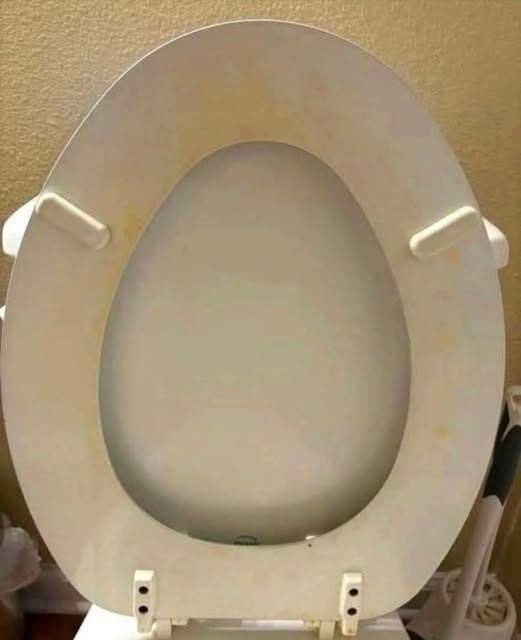
It’s not just “dirt.” The ring is usually a mix of:
Mineral deposits (limescale) from hard water (calcium, magnesium)
Urine scale (uric acid crystals that bond to porcelain over time)
Iron or manganese in well water (causes rusty brown stains)
Mold or mildew in humid bathrooms (less common below waterline)
These build up slowly, bonding tightly to the porcelain—especially if the toilet isn’t cleaned weekly.
 The Most Effective, Non-Toxic Method (That Actually Works)
Step 1: Use White Vinegar + Baking Soda (But in the Right Order!) Myth: Mix vinegar and baking soda together—they neutralize each other! Truth: Use them separately, in sequence.
Here’s how:
Flush to lower water level (or use a cup to remove some water).
Pour 2 cups of white vinegar directly onto the stain. Let sit 30–60 minutes (vinegar dissolves minerals and uric acid).
Sprinkle baking soda over the area—it creates a gentle abrasive foam when it hits residual vinegar.
Scrub with a toilet brush (use an old toothbrush for under the rim).
Flush.
For tough stains: Soak paper towels in vinegar, press them onto the stain above the waterline, and leave overnight.
For Really Stubborn Stains: Pumice Stone (Yes, Really!)
A wet pumice stone (made for toilets—not the facial kind!) is safe on porcelain and glides away mineral buildup without scratching.
