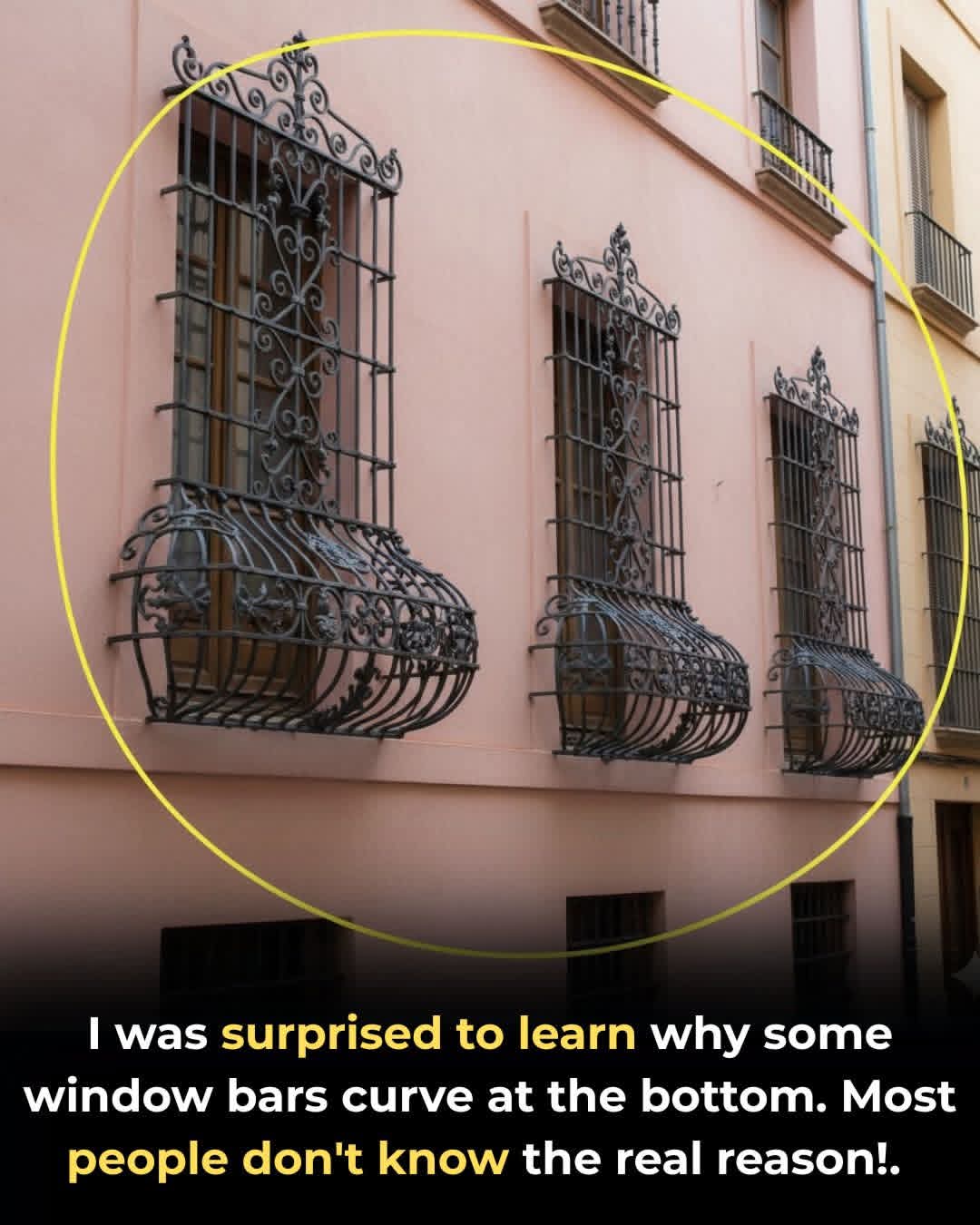
Have you ever noticed window grills with bars that seem to have a little bulge or curve near the bottom? At first glance, these curves might appear purely decorative, but they often serve practical purposes beyond their aesthetic appeal. In this article, we’ll explore why some window grills feature these distinctive curves and delve into the fascinating world of window bar design.
What Are Bars on Windows Used For?
Window bars, also known as security bars or grills, have been used for centuries as a protective measure. Their primary purpose is to reinforce windows and prevent unauthorized access, deterring break-ins and ensuring the safety of homes and buildings. Over time, however, window bars evolved not only for security but also for aesthetic and functional reasons. One such evolution is the inclusion of curves or “potbellies” in the design.
But what exactly is a potbelly, and why do some window grills have this unique feature?
The Unique Feature: What Is a Potbelly?
A potbelly refers to a slight bulge or protrusion in the middle section—or sometimes the bottom—of a window grill bar. This subtle curvature adds an intriguing visual element to the design while serving multiple practical purposes. Let’s take a closer look at how these curved features enhance both the form and function of window grills.
Aesthetic and Practical Uses of Potbelly Bars
1. Holding Flower Boxes
One of the most common uses of potbelly bars is to provide support for flower boxes. The curve creates a natural ledge where homeowners can place potted plants, herbs, or flowers. This allows for creative expression and adds a touch of greenery and beauty to the exterior of a building. Imagine strolling down a street lined with windows adorned with vibrant blooms—all made possible by the thoughtful design of curved window grills.
Beyond aesthetics, this feature encourages urban gardening and helps maximize space in smaller homes or apartments. It transforms a functional security measure into an opportunity for personalization and charm.
