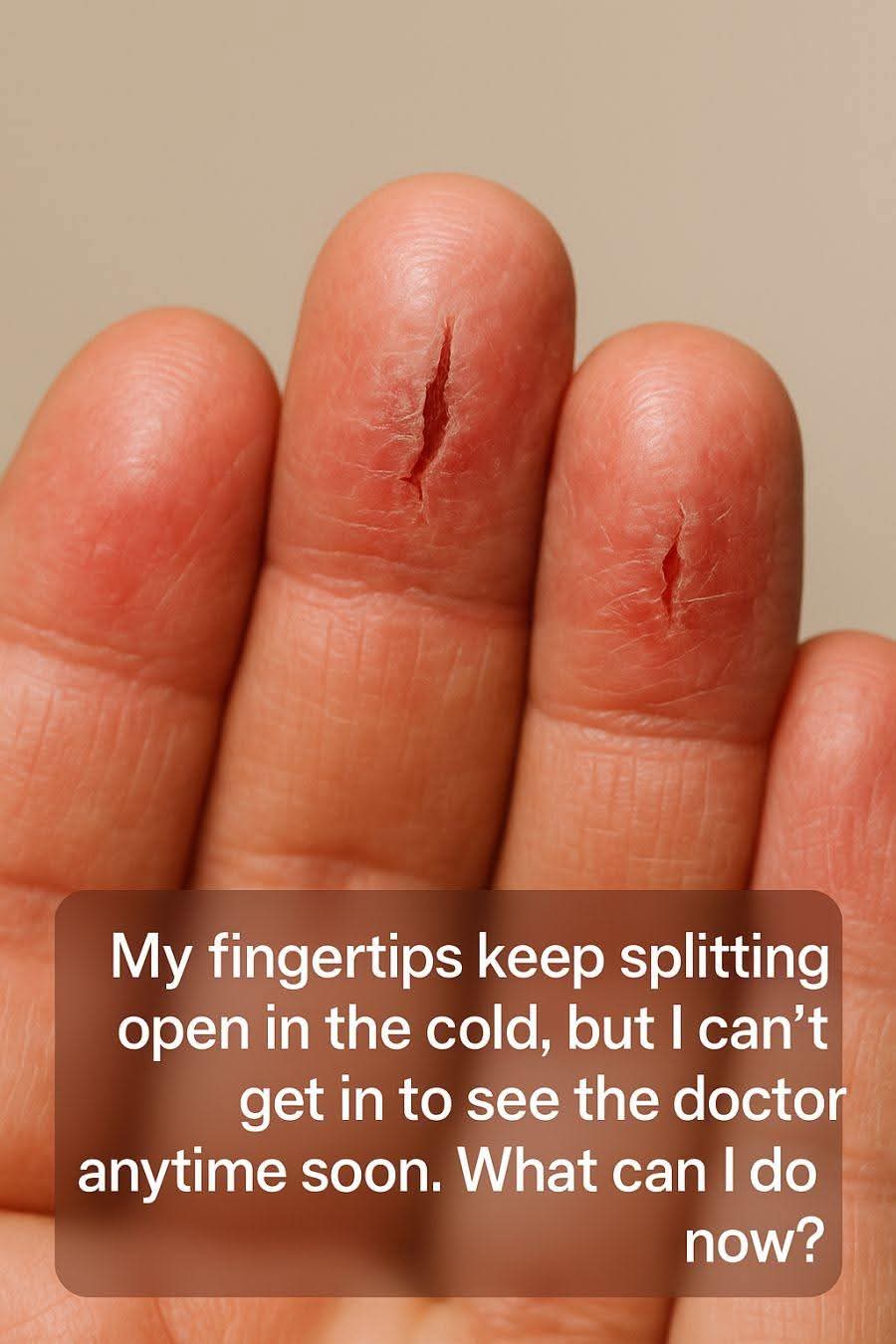
8. Protect Your Hands From Water, Soap, and Sanitizer Overload
Frequent exposure to water, soap, and sanitizers can exacerbate the drying effects on your skin. To minimize this, opt for a gentle, moisturizing hand soap and try to limit the use of hand sanitizers to when soap and water are unavailable.
When washing your hands, use lukewarm water instead of hot, as hot water can strip the skin of its natural oils. After washing, apply a moisturizer immediately to replenish lost moisture.
9. Glove Strategy: What to Wear Indoors, Outdoors, and While Cleaning
Wearing gloves is crucial to protecting your hands from harsh elements and irritants. When outdoors in cold weather, wear insulated gloves to maintain warmth and prevent moisture loss. For indoor tasks that involve water, such as dishwashing, use rubber gloves to shield your skin.
If your hands tend to sweat inside gloves, opt for breathable materials or use glove liners to absorb moisture. This will prevent additional irritation caused by trapped sweat.
10. Viral DIY Fixes to Avoid (And What to Do Instead)
While the internet is full of DIY remedies for skin issues, not all of them are safe or effective. Avoid using acidic substances like lemon juice or vinegar on cracked skin, as they can cause irritation and pain.
Instead, stick to tried-and-true methods such as moisturizing, sealing cracks, and wearing protective gloves. If you’re ever unsure about a remedy, it’s best to consult with a dermatologist before trying it.
11. When to Suspect Eczema, Psoriasis, or an Allergy
Persistent or severe skin issues might indicate an underlying condition such as eczema, psoriasis, or an allergic reaction. Eczema often presents as red, itchy patches of skin, while psoriasis is characterized by thick, scaly plaques.
If your symptoms include widespread rashes, intense itching, or if they don’t respond to standard treatments, it may be time to consider these conditions. A healthcare professional can provide a proper diagnosis and recommend targeted treatments.
12. Nutrition, Hydration, and Supplements That May Help Skin Heal
Proper nutrition and hydration are essential for maintaining healthy skin. Ensure you’re drinking enough water throughout the day to keep your skin hydrated from within. Incorporate foods rich in omega-3 fatty acids, such as fish and flaxseeds, to support skin health.
