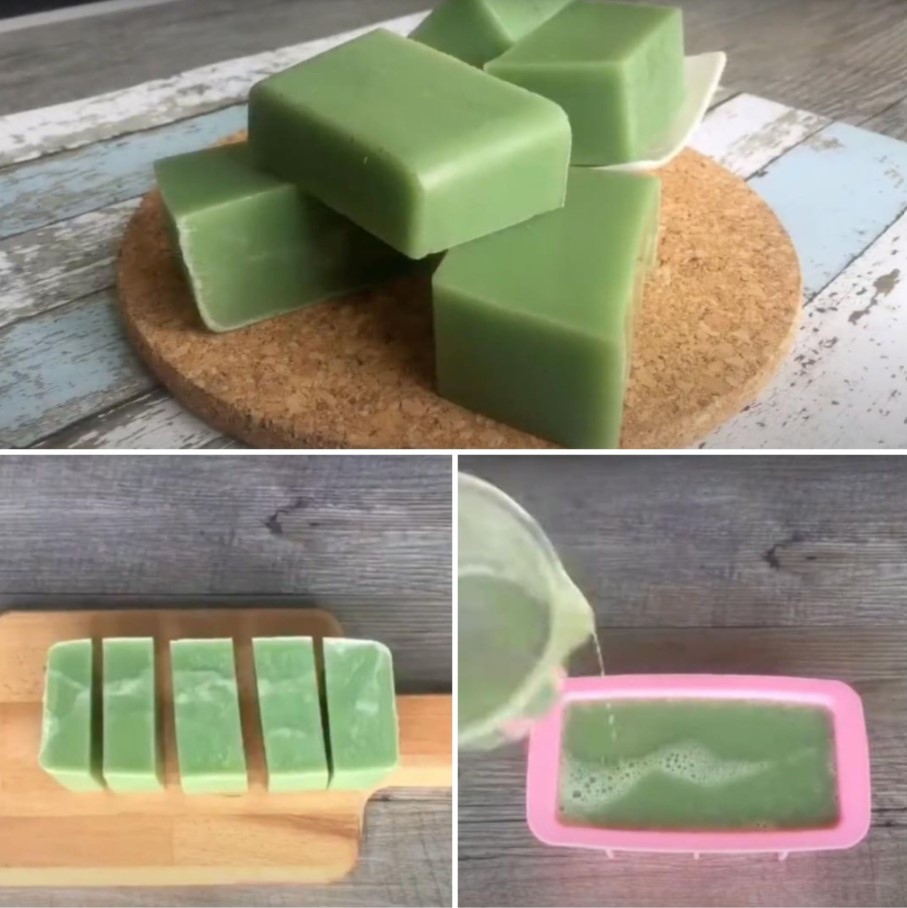
Step-by-Step Instructions
1. Prepare Your Workspace
Choose a clean surface and make sure all tools and containers are washed and dried. This helps prevent contamination and keeps your soap fresher longer.
2. Mix the Soap and Water
Pour the liquid castile soap into a mixing bowl. Add the distilled water and stir gently to combine. Try not to whisk too quickly — slow mixing helps avoid foam and bubbles.
3. Add the Disinfecting Ingredients
Slowly pour the vinegar and rubbing alcohol into the bowl while stirring.
These ingredients boost the cleansing and antibacterial properties of the soap. Once everything is blended smoothly, you’re ready for the next step.
4. Add Fresh Lemon Juice and Zest
Squeeze the lemon and strain out the seeds. Add the juice to your mixture, then sprinkle in the zest. Stir again until everything is incorporated.
Lemon gives your soap a naturally clean scent and contributes light exfoliating and degreasing qualities.
5. Customize with Essential Oils (Optional)
If you want a stronger fragrance or added benefits, now’s the time to add essential oils. Here are a few suggestions:
- Lavender for calming and soothing skin
- Tea tree oil for extra disinfection
- Eucalyptus for a fresh, crisp scent
- Peppermint for a cooling boost
Start with 5–10 drops and adjust according to your preference.
6. Transfer and Store
Using a funnel, pour your finished soap into a bottle or pump container. A reusable dispenser is ideal if you want something eco-friendly.
Let it sit for a few hours before using it — this gives the mixture time to settle and blend.
How to Use Your Homemade Soap
You can use this soap just like any other liquid soap — for:
- Handwashing
- Kitchen use
- Light surface cleaning
- General household hygiene
Because it contains vinegar and alcohol, it works especially well in places where extra sanitation matters — like bathrooms and kitchens.
If you plan to use it on delicate skin, test a small amount first. Everyone’s skin reacts differently, especially when citrus and vinegar are involved.
Tips for Best Results
- Shake before use: Natural ingredients can separate over time.
- Store in a cool area: Heat can affect scent and consistency.
- Adjust the thickness:
- Add water for a thinner soap
- Reduce water for a thicker, gel-like texture
- Keep it sealed tightly: This helps maintain freshness and scent.
Optional Variations
Once you get comfortable, you can experiment with additional ingredients. A few ideas include:
- Aloe vera gel for a soothing texture
- Ground oatmeal for gentle exfoliation
- Honey for extra moisture
Small adjustments let you create a soap that fits your skin type, scent preferences, and personal style.
How Long Will It Last?
Because this soap contains vinegar and alcohol, it stays fresher longer than many other homemade formulas. Properly stored, it can last several weeks.
If you notice changes in smell, texture, or color, it may be time to make a new batch.
Why This Recipe Works Well
This soap is a great balance of simplicity and effectiveness. The ingredients work together like this:
- Castile soap cleans gently without stripping moisture.
- Vinegar helps disinfect and break down dirt.
- Rubbing alcohol boosts antibacterial power.
- Lemon adds freshness and natural cleaning properties.
- Essential oils create fragrance and extra skin benefits if you choose to use them.
You get a cleaner that feels natural, refreshing, and purposeful — without unnecessary chemicals.
Final Thoughts
Making your own soap can be fun, practical, and surprisingly rewarding. With just a few ingredients, you can create something useful and personalized that supports a more natural lifestyle.
Give this recipe a try and enjoy the process — you may never look at store-bought soap the same way again.
✔ Want More DIY Ideas?
If this inspired you, save it, share it, or leave a comment with the scent combination you’re planning to try next. Your feedback helps others — and it may help spark your next great homemade project.
