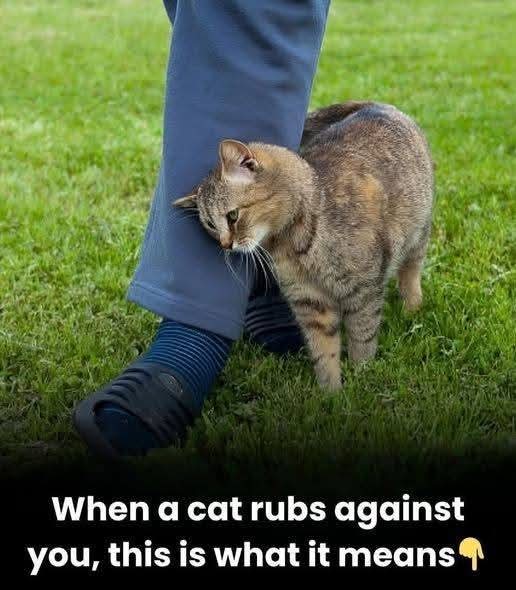
When to Call the Vet
If your cat begins rubbing obsessively, forcefully, or combines the behavior with other symptoms, a health issue may be involved. Concerning signs include:
- Weight loss
- Changes in appetite
- Vomiting or diarrhea
- Excessive grooming
- Hair loss
- Frequent scratching
Allergies, fleas, ear infections, or sensory disorders can contribute to abnormal rubbing habits.
Other Cat Behaviors You May Notice
Tail Movements Aren’t Like a Dog’s
A fast-moving cat tail usually means heightened emotion—anything from excitement to irritation. A twitching tip may signal intense focus on prey or play.
Why Cats Knock Objects Off Surfaces
This behavior is normal. It may be playful, exploratory, due to boredom, or simply a way to get your attention.
The Belly Rub Trap
A cat showing its belly is expressing trust and vulnerability, not necessarily requesting touching. Dr. Sam Meisler, DVM, notes that petting this sensitive area can result in biting or scratching. Understanding limits strengthens your bond.
Final Thoughts
By paying attention to your cat’s cues—from soft rubs to tail flicks—you gain insight into its emotions and needs. The more you learn to interpret these subtle messages, the closer and more harmonious your relationship with your feline companion will become.
