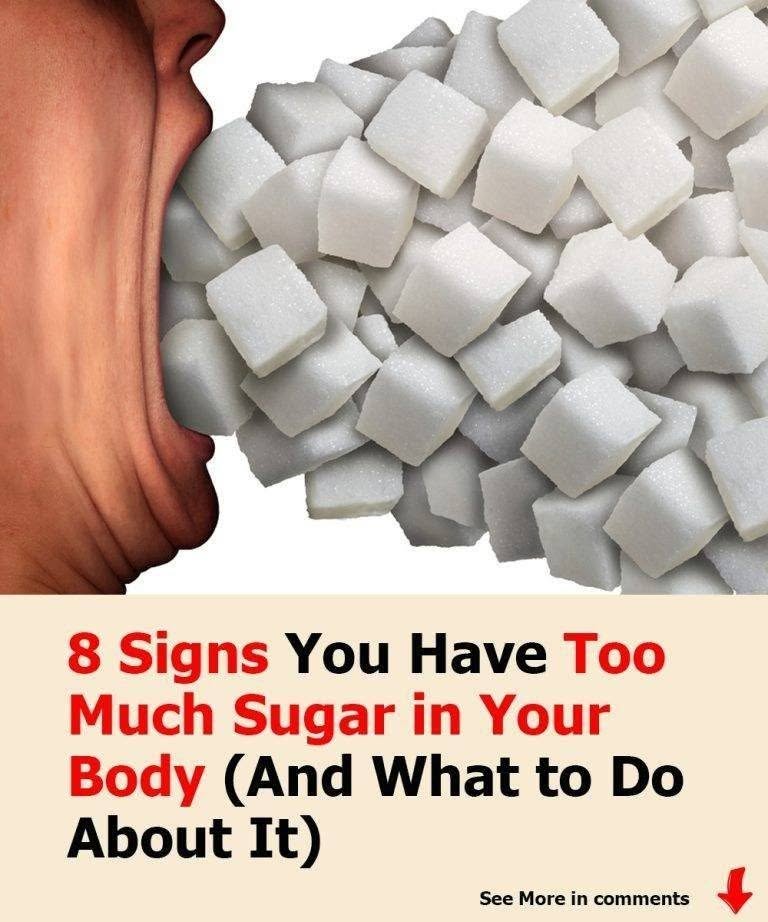
the effects go much deeper. High sugar levels can affect energy, skin, sleep, digestion, and even mental health. Often, the body begins sending warning signals long before serious conditions develop.
Recognizing these early signs can help you make simple lifestyle changes before the problem grows into something more serious. In this article, we’ll explore eight common signs that your body may be overloaded
with sugar, what those symptoms mean, and practical steps you can take to restore balance.
Why Too Much Sugar Is a ProblemTry New Foods
Sugar itself
is not inherently harmful. Natural sugars found in fruits, vegetables, and dairy are accompanied by fiber, vitamins, and minerals that support overall health.
The real problem lies with added sugars—the refined sugars added to processed foods and drinks. These sugars are quickly absorbed into the bloodstream, causing spikes in blood glucose levels. Over time, frequent spikes can strain the body’s insulin system, potentially leading to conditions like insulin resistance, metabolic syndrome, and other health complications.
The average person often consumes far more sugar than they realize. Many packaged foods contain
hidden sugars under names such as:
High fructose corn syrup
Dextrose
Maltose
Cane sugar
Syrup concentrates
Learning to recognize the body’s signals can help prevent long-term health problems.Get Health Tips
Sign 1: Constant Fatigue and Low Energy
One of the most common symptoms of excessive sugar intake is frequent tiredness.
At first glance, sugar seems like it should increase energy. After all, it provides a quick burst of fuel for the body. However, that energy boost is usually followed by a sudden crash.
When you consume large amounts
of sugar, your blood glucose levels spike rapidly. In response, your body releases insulin to bring those levels back down. This process often causes a sharp drop in energy shortly afterward.
If you find yourself feeling:
tired shortly after meals
sluggish throughout the afternoon
dependent on sugary snacks for energy
it may be a sign that your body is stuck in a cycle of sugar spikes and crashes.
What You Can Do
Focus on balanced meals that include protein, healthy fats, and fiber. These nutrients slow digestion and provide steady
energy rather than sudden spikes.
Sign 2: Frequent
Sugar Cravings
see the continuation on the next pageTry New Foods
Craving sweets occasionally is normal. However, constant cravings for sugar may indicate that your body has developed a dependence on it.
Sugar activates reward centers in the brain, releasing dopamine—the same neurotransmitter involved in feelings of pleasure and satisfaction. Over time, this can create a cycle where the brain begins to expect frequent sugar intake.
If you notice that you regularly crave:
candy
pastries
sugary drinks
processed snacks
your body may be seeking the quick energy surge sugar provides.
What You Can Do
Replace processed sweets with natural alternatives like fruit, nuts, or yogurt. Gradually reducing sugar intake can help retrain your taste buds and reduce cravings.Shop Candy Gifts
Sign 3: Weight Gain, Especially Around the Belly
Excess sugar consumption is strongly associated with weight gain, particularly abdominal fat.
Sugary foods are often calorie-dense but nutritionally poor. They can increase
hunger and reduce feelings of fullness, making it easier to consume more calories than the body
needs.
High sugar intake can also raise levels of insulin, a hormone that encourages the body to store fat.Sugar
Belly fat is especially concerning because it has been linked to increased risks of metabolic and cardiovascular diseases.
What You Can Do
Reducing sugary beverages is one of the most effective ways to cut sugar intake. Drinks like soda, energy drinks, and sweetened coffee often contain large amounts of sugar without making you feel full.
Sign 4: Skin Problems and Breakouts
Your skin can reflect what’s happening inside your body.
Excess sugar consumption may contribute to acne, inflammation, and premature aging.
High blood sugar levels can trigger inflammation and hormonal changes that increase oil production in the skin. This environment can lead to clogged pores and breakouts.
Sugar can also accelerate a process called
glycation, where sugar molecules bind to proteins like collagen and elastin. This process can damage skin structure and contribute to wrinkles and loss of elasticity.
What You Can Do
A diet rich in vegetables, fruits, whole grains, and healthy fats can help reduce inflammation and
support healthy skin.
Sign 5: Increased Hunger Even After Eating
see the continuation on the next page
If you often feel hungry soon after meals, sugar may be playing a role.
Sugary foods are quickly digested and absorbed, leading to rapid rises and falls in blood sugar. When blood sugar drops, the body signals hunger again—even if you recently ate.
Additionally, diets high in sugar may interfere with hormones that regulate appetite, including leptin and ghrelin.
What You Can Do
Choose meals with:
protein
fiber
complex carbohydrates
These nutrients help
