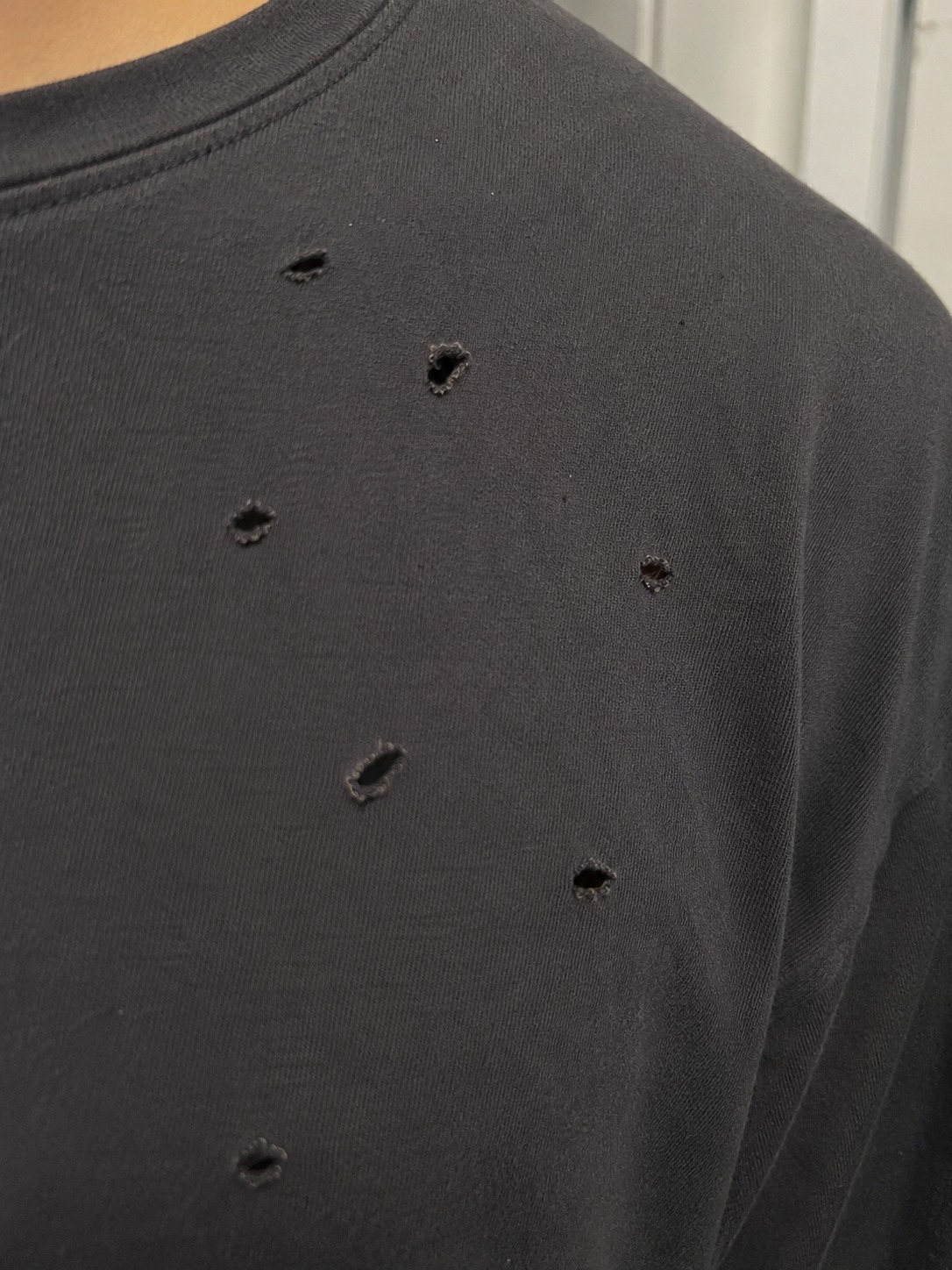
One of the things I was wrong about initially was how damaging my washing machine was being to my wardrobe.
Every couple of weeks, I would pick up a T-shirt and find a hole in the bottom. Initially, I didn’t think anything of it and continued to put off fixing the problem. As more T-shirts began developing the same type of damage, I became increasingly frustrated each time I did laundry.
What was unique about the situation was that the problem was limited to specific types of clothing.
Eventually, I discovered that holes in clothing are generally caused by multiple events occurring together. While some of the reasons why damage occurred were obvious once I noticed them, others genuinely surprised me.
Fortunately, most common issues related to fabric damage are easily avoided without spending money on specialized products or purchasing a new appliance. Simple changes to routine have greatly improved the longevity of my clothes.
Let’s break down what’s really causing those holes—and how you can stop them before they start.
 Common Reasons for Common Types of Fabric Damage
Fabric damage typically does not occur overnight. It’s usually the result of small, repeated stresses that add up over time.
The Usual Suspects:
| Cause | How It Damages Clothes | Most Affected Fabrics |
|---|---|---|
| Friction | Rubbing against zippers, buttons, or rough surfaces wears fibers thin | Lightweight cotton, knits, rayon |
| Heat exposure | High dryer temperatures weaken fibers, causing them to break down | Cotton T-shirts, workout wear, synthetics |
| Insect activity | Moths, silverfish, or carpet beetles eat natural fibers | Wool, silk, cashmere, cotton |
| Poor storage | Folding, hanging, or compressing clothes improperly creates stress points | Delicates, structured garments |
| Fast fashion quality | Lower-quality fibers and construction break down faster after repeated washing | Trendy, inexpensive garments |
| Body chemistry | Sweat, oils, and acids can weaken fibers over time | Underarm areas, collars, cuffs |
Key insight: Damage is rarely caused by one big event—it’s the accumulation of small stresses. The good news? Small changes can make a big difference.
 Damage to Clothing Due to Laundry Practices
While I thought the problem lay in my washing machine, I soon realized that laundry practices themselves contributed significantly to fabric damage.
Common Laundry Mistakes That Cause Holes:
Common Laundry Mistakes That Cause Holes:
| Mistake | Why It Causes Damage | Simple Fix |
|---|---|---|
| Overcrowding the washer | Garments twist, stretch, and rub against each other excessively | Wash smaller loads; leave room for movement |
| Not zipping zippers | Metal teeth snag and tear delicate fabrics during agitation | Zip all zippers before washing |
| Leaving hooks/clasps open | Bra hooks, belt buckles, and snaps catch on other items | Fasten hooks or use a mesh bag |
| Washing delicates with heavy items | Jeans, towels, or shoes abrade lighter fabrics | Separate by fabric weight and type |
| Using high heat in the dryer | Heat breaks down fibers, especially cotton and synthetics | Use low or medium heat; air-dry when possible |
| Over-drying | Extended tumbling creates friction and weakens seams | Remove clothes while slightly damp; finish air-drying |
| Harsh detergents or bleach | Strong chemicals degrade fibers over time | Use gentle, enzyme-based detergents; limit bleach |
The Mesh Bag Game-Changer
Separating delicate fabrics and placing them in mesh laundry bags for washing is probably the most important habit I’ve adopted.
Why mesh bags work:  Reduce snagging from zippers, hooks, and rough fabrics Allow gentle agitation without excessive friction Keep small items (socks, underwear) from getting lost Protect embellishments like beads or lace
Pro tip: Use mesh bags with smooth zippers (not metal) to avoid creating new snag points.
 Easy, No-Cost Ways to Prevent Holes in Clothes
You don’t need expensive products or a new appliance to protect your wardrobe. These simple habits make a real difference.
Before Washing
| Action | Benefit |
|---|---|
| Turn clothes inside out | Protects outer fabric from friction and fading |
| Zip zippers, fasten hooks, button buttons | Prevents snagging and tearing during wash |
| Empty pockets | Removes keys, coins, or debris that can abrade fabric |
| Pre-treat stains gently | Avoids aggressive scrubbing that weakens fibers |
| Sort by fabric type and color | Reduces friction between rough and delicate items |
During Washing
| Action | Benefit |
|---|---|
| **Use cold or warm water **(not hot) | Preserves fiber integrity and prevents shrinkage |
| Choose gentle or delicate cycles | Reduces agitation stress on fabrics |
| Use mild, enzyme-based detergent | Cleans effectively without harsh chemicals |
| Avoid overloading the machine | Allows clothes to move freely without excessive rubbing |
| Add a cup of white vinegar to rinse | Softens fabrics naturally; removes detergent residue |
During Drying
| Action | Benefit |
|---|---|
| Use low or medium heat | Prevents heat damage to fibers |
| Remove clothes while slightly damp | Reduces over-drying friction; makes ironing easier |
| Air-dry delicates flat or on hangers | Eliminates dryer stress entirely |
| Clean the lint trap before every load | Improves airflow; reduces drying time and heat exposure |
| Avoid over-drying “just to be sure” | Extra tumbling = extra wear |
Storage & Maintenance
| Action | Benefit |
|---|---|
| Fold knits; hang structured items | Prevents stretching or misshaping |
| Use padded hangers for delicate tops | Reduces shoulder bumps and fabric stress |
| Store off-season clothes clean and dry | Prevents stains from setting and deters pests |
| Check closets periodically for pests | Catch moth or beetle activity early |
| Repair small holes immediately | Prevents further unraveling; extends garment life |
Mending tip: Keep a small repair kit (needle, thread, fabric glue) handy. Fixing a tiny hole takes 5 minutes and can add months or years to a garment’s life.
 What About Bugs? Identifying and Preventing Pest Damage
Sometimes holes aren’t from laundry—they’re from uninvited guests.
Common Clothing Pests:
| Pest | What They Eat | Signs of Infestation |
|---|---|---|
| Clothes moths | Wool, silk, cashmere, feathers | Small holes in natural fibers; silken tubes or cases |
| Carpet beetles | Natural fibers, dried food, pet hair | Irregular holes; shed skins; tiny larvae |
| Silverfish | Starched cotton, linen, glue in book bindings | Holes in book bindings or starched fabrics; yellow stains |
Natural Prevention Strategies:
Store clean clothes only: Pests are attracted to body oils and food residues Use cedar blocks or lavender sachets: Natural repellents for moths and beetles Vacuum closets and storage areas regularly: Removes eggs, larvae, and food sources Seal off-season clothes in airtight containers: Prevents pest access Freeze suspected items: Place infested garments in a sealed bag and freeze for 72 hours to kill eggs and larvae
If you find an infestation: Wash or dry-clean affected items immediately. Consider professional pest control for persistent problems.
Fabric-Specific Care Tips
Not all fabrics are created equal. Here’s how to protect your most vulnerable items.
Lightweight Cotton & Knits
Wash inside out on gentle cycle Avoid high heat in dryer; air-dry when possible Fold instead of hanging to prevent stretching
Workout & Synthetic Fabrics
Rinse sweat promptly after wearing to prevent fiber degradation Use sport-specific detergent to break down oils without harsh chemicals Avoid fabric softener (coats fibers, reduces moisture-wicking)
Wool, Silk, and Cashmere
Hand-wash or use wool-specific cycle with cold water Lay flat to dry to maintain shape Store with cedar or lavender to deter moths
Denim
Wash inside out to preserve color and reduce abrasion Limit washing frequency (spot-clean when possible) Air-dry to prevent shrinkage and fiber stress
 FAQs: Your Clothing Care Questions, Answered
**Q: Why do holes always appear in the same spot **(like underarms or hemlines)
A: High-friction areas experience the most stress. Underarms rub against skin and deodorant; hemlines drag on surfaces. Reinforcing these areas with extra stitching or fabric patches can extend garment life.
Q: Can I repair holes, or should I just replace the item?
A: Small holes can often be repaired with invisible mending, fabric glue, or decorative patches. For larger damage or sentimental items, consider professional alteration. If repair isn’t feasible, repurpose the fabric (cleaning rags, craft projects) before discarding.
Q: Does fabric softener cause holes?
A: Not directly, but it can coat fibers, reducing absorbency and trapping odors. Over time, this buildup can weaken fabrics. For softness, try wool dryer balls or a splash of white vinegar in the rinse cycle instead.
Q: How often should I wash my clothes to minimize damage?
A: Wash only when necessary. Outerwear, jeans, and sweaters can often be worn multiple times before washing. Spot-clean minor stains and air out garments between wears to reduce laundering frequency.
Q: Are front-load washers gentler than top-loaders?
A: Front-loaders generally use less water and gentler tumbling action, which can reduce fabric stress. However, proper loading and cycle selection matter more than machine type.
Q: Why do expensive clothes sometimes get holes faster than cheap ones?
A: Price doesn’t always equal durability. Some luxury fabrics (like fine silk or lightweight wool) are inherently delicate. Conversely, some fast-fashion items use stronger synthetic blends. Always check fiber content and care instructions.
Q: Can I prevent holes without changing my entire laundry routine?
A: Yes! Start with one or two high-impact changes: zip zippers before washing, use mesh bags for delicates, or switch to low-heat drying. Small steps add up.
 A Compassionate Closing Thought
If you’re frustrated by holes appearing in your favorite clothes—or if you’re just starting to think more intentionally about caring for what you own—please know:
 You’re not careless. Fabric damage happens to everyone. It’s often invisible until it’s not. Progress, not perfection. You don’t have to overhaul your entire routine overnight. One small change is a victory. Your clothes have stories. A repaired hole isn’t a flaw—it’s a testament to care, resourcefulness, and love for what you own. Simplicity works. You don’t need expensive products or gadgets. Often, the gentlest approach is the most effective.
Taking a few extra minutes to zip a zipper, turn a shirt inside out, or choose a lower heat setting isn’t just about protecting fabric. It’s a quiet act of respect—for your belongings, your resources, and the effort that went into making them.
And that matters.
 The Bottom Line
Holes in clothes are usually caused by small, repeated stresses—not one dramatic event.
Remember: Friction, heat, pests, and laundry habits all contribute to fabric wear Simple changes (zipping zippers, using mesh bags, lowering dryer heat) prevent most damage Natural fibers need extra protection from moths and beetles Small repairs extend garment life and reduce waste Caring for your clothes is an act of mindfulness—not perfectionism
You don’t need a perfect laundry routine to protect your wardrobe. You just need a few intentional habits, practiced consistently.
So the next time you sort a load, take a breath. Zip that zipper. Turn that shirt inside out. Choose the gentle cycle.
Your clothes—and your future self—will thank you.
