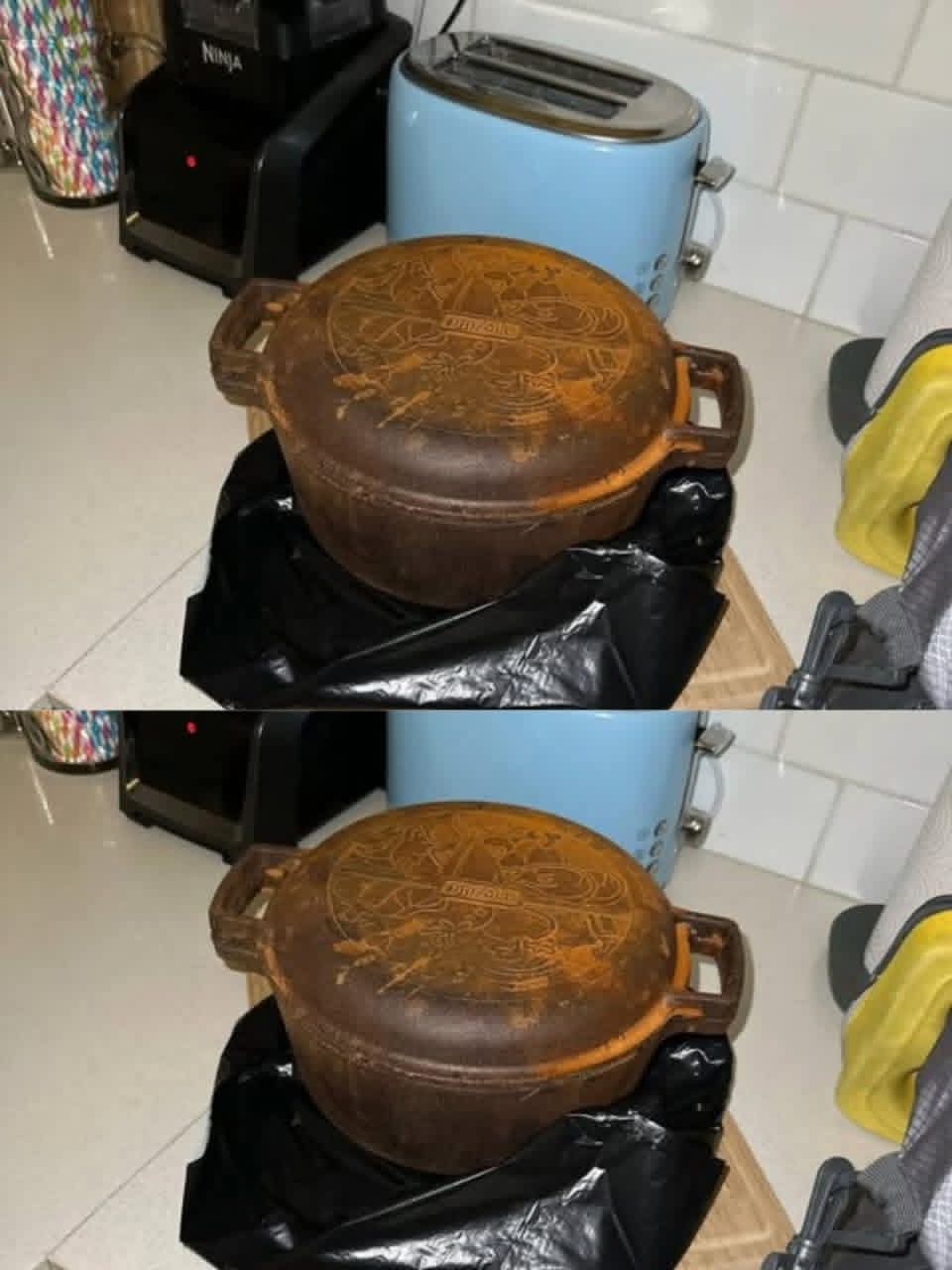
1. Acidic Foods (Tomato Sauce, Vinegar-Based Dishes, Citrus)
Why Avoid? Acidic ingredients like tomatoes, vinegar, lemon juice, or wine can strip away the seasoning on your pan and react with the iron, leaving a metallic taste in your food.
What to Do Instead? Use stainless steel, enamel-coated, or nonstick pans for dishes with high acidity. If you must use cast iron, limit cooking time and re-season the pan afterward.
2. Delicate Fish or Seafood
Why Avoid? Thin, flaky fish like tilapia or sole can stick to the pan, even if it’s well-seasoned, leading to a messy cleanup and ruined presentation.
What to Do Instead? Opt for nonstick pans or grilling methods for delicate seafood. Save your cast iron for heartier fish like salmon or tuna steaks.
3. Eggs (Unless Perfectly Seasoned)
Why Avoid? Eggs are notorious for sticking to cast iron unless the pan is perfectly seasoned. Even then, they’re tricky to flip and clean up afterward.
What to Do Instead? Use a nonstick or stainless steel pan for scrambled, fried, or poached eggs. Reserve cast iron for baked egg dishes like frittatas.
4. Sticky or Sugary Desserts (Crispy Cookies, Caramel)
Why Avoid? Sticky or sugary foods like caramel, candy, or cookies can adhere stubbornly to the pan, making cleanup a nightmare and potentially damaging the seasoning.
What to Do Instead? Use nonstick bakeware or silicone mats for desserts. Stick to cast iron for sturdier baked goods like cornbread or skillet brownies.
5. Smelly or Strongly Flavored Foods (Fish, Garlic, Onions)
Why Avoid? Cast iron is porous and can absorb strong odors from foods like fish, garlic, or onions. These odors may linger and transfer to other dishes cooked in the same pan.
What to Do Instead? Cook smelly foods in stainless steel or glass cookware to avoid flavor transfer.
6. Dairy-Heavy Sauces (Cream-Based or Cheese Sauces)
Why Avoid? Creamy sauces can curdle or scorch in cast iron due to uneven heat distribution and residual iron particles.
What to Do Instead? Use enamel-coated or non-reactive pans for creamy sauces and soups.
